
Feed Your Nervous System, Calm Your Mind
Discover how science-backed nutrition can support your mental clarity, emotional balance, and overall wellbeing. Learn which foods and nutrients work with your body's natural systems.

The information on this site is for educational purposes only and does not constitute medical advice. Always consult a qualified healthcare professional before making health decisions.
Essential Nutrients for Nerve Health
Your nervous system relies on specific nutrients to function optimally. Understanding which foods contain these compounds is the first step toward better mental wellness.
B Vitamins
B6, B12, and folate support neurotransmitter production and myelin formation. Found in leafy greens, whole grains, eggs, and legumes. These vitamins are crucial for energy metabolism in nerve cells.
Omega-3 Fatty Acids
EPA and DHA promote brain health and reduce neuroinflammation. Richly available in fatty fish, walnuts, flax seeds, and chia seeds. These fats are structural components of nerve cell membranes.
Magnesium
Supports nerve function and helps regulate stress responses. Present in dark leafy greens, nuts, seeds, and whole grains. Magnesium is involved in over 300 enzymatic reactions in the body.
Antioxidants
Protect nerve cells from oxidative stress. Found abundantly in berries, colourful vegetables, green tea, and dark chocolate. Polyphenols and other compounds help maintain neural integrity.
Zinc
Essential for nerve signal transmission and immune function. Available in oysters, beef, pumpkin seeds, and chickpeas. Zinc deficiency can affect cognitive function and mood regulation.
Amino Acids
Build neurotransmitters like serotonin and dopamine. Found in protein-rich foods including poultry, fish, beans, and dairy. Proper amino acid balance supports mood and mental focus.
The Gut-Brain Connection
Your gut and brain communicate constantly through the vagus nerve and chemical signals. This bidirectional relationship means that food choices directly influence mental clarity, emotional stability, and stress resilience.
A balanced microbiome produces neurotransmitter precursors and short-chain fatty acids that support brain function. Fibre-rich foods, fermented products, and diverse plant foods nurture the beneficial bacteria that support mental wellbeing.
- Gut dysbiosis can contribute to mood changes and cognitive fog
- Probiotics and prebiotics support a diverse microbial ecosystem
- Intestinal integrity prevents toxins from triggering neuroinflammation
Why Calmcore Ageing Well
Our editorial approach brings together rigorous science, practical guidance, and honest information to help you understand nutrition's role in nervous system health.
Science-Based Content
Every article is informed by peer-reviewed research and current nutritional science. We translate complex studies into actionable insights for everyday life.
Practical Guidance
We focus on real foods and eating patterns, not quick fixes. Our articles help you make sustainable dietary choices that support your nervous system.
Transparent Approach
We maintain editorial independence and disclose any partnerships. Our goal is to inform, not to sell or oversimplify complex health topics.
Comprehensive Resources
Explore in-depth guides, recipe ideas, meal planning principles, and evidence-based strategies for supporting your mental wellbeing through food.
Community Focused
We value your feedback and questions. Our editorial team is committed to addressing readers' concerns and producing content that matters.
Holistic View
We recognise that nervous system health involves nutrition, sleep, movement, and stress management. Our content addresses multiple dimensions of wellbeing.
Nutrient-Rich Foods for Your Mind
Discover foods that naturally support nervous system function. These everyday items are packed with the nutrients your brain and nerves depend on.

Fatty Fish
Salmon, mackerel, and sardines provide EPA and DHA—essential omega-3 fatty acids that reduce brain inflammation and support cognitive function.
Learn more →
Leafy Greens
Spinach, kale, and silverbeet deliver magnesium, folate, and antioxidants that protect nerve cells and support calm mental states.
Learn more →
Nuts & Seeds
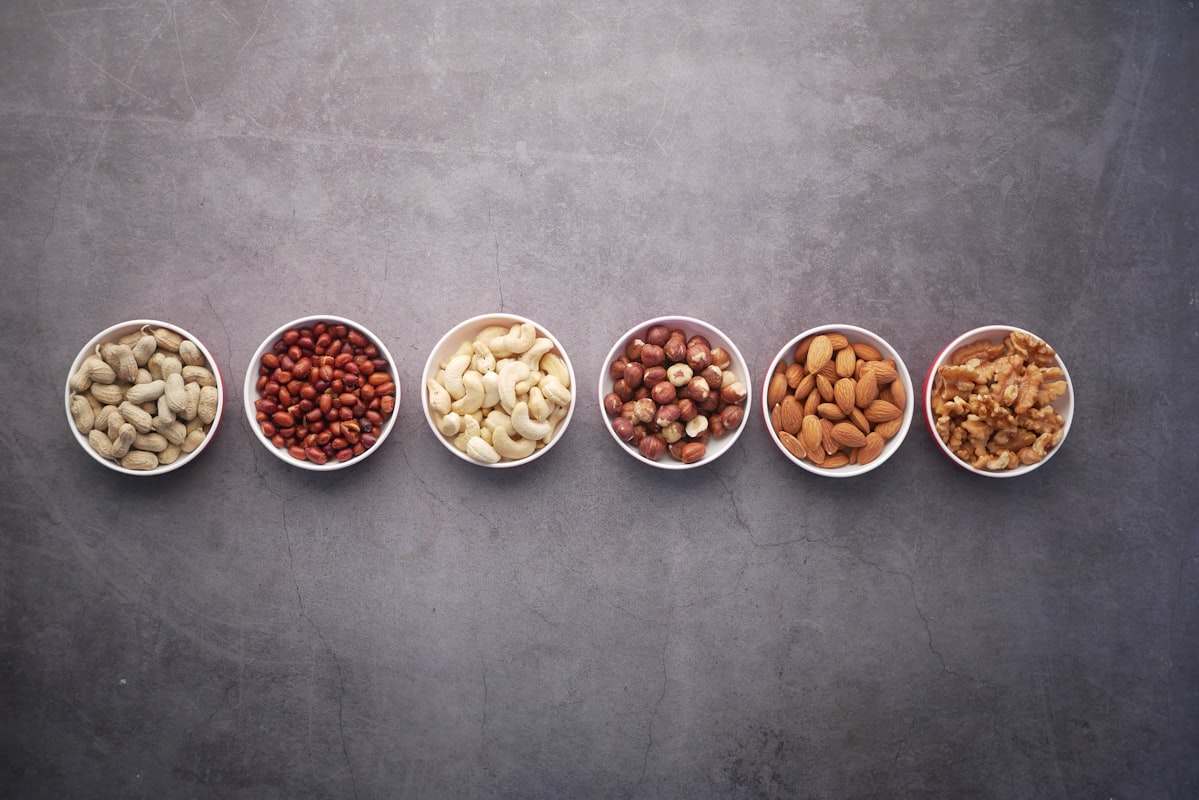
Almonds, walnuts, and pumpkin seeds are mineral powerhouses offering magnesium, zinc, and vitamin E for nervous system resilience.
Learn more →
Berries
Blueberries, raspberries, and blackberries contain anthocyanins and polyphenols that combat oxidative stress in the brain.
Learn more →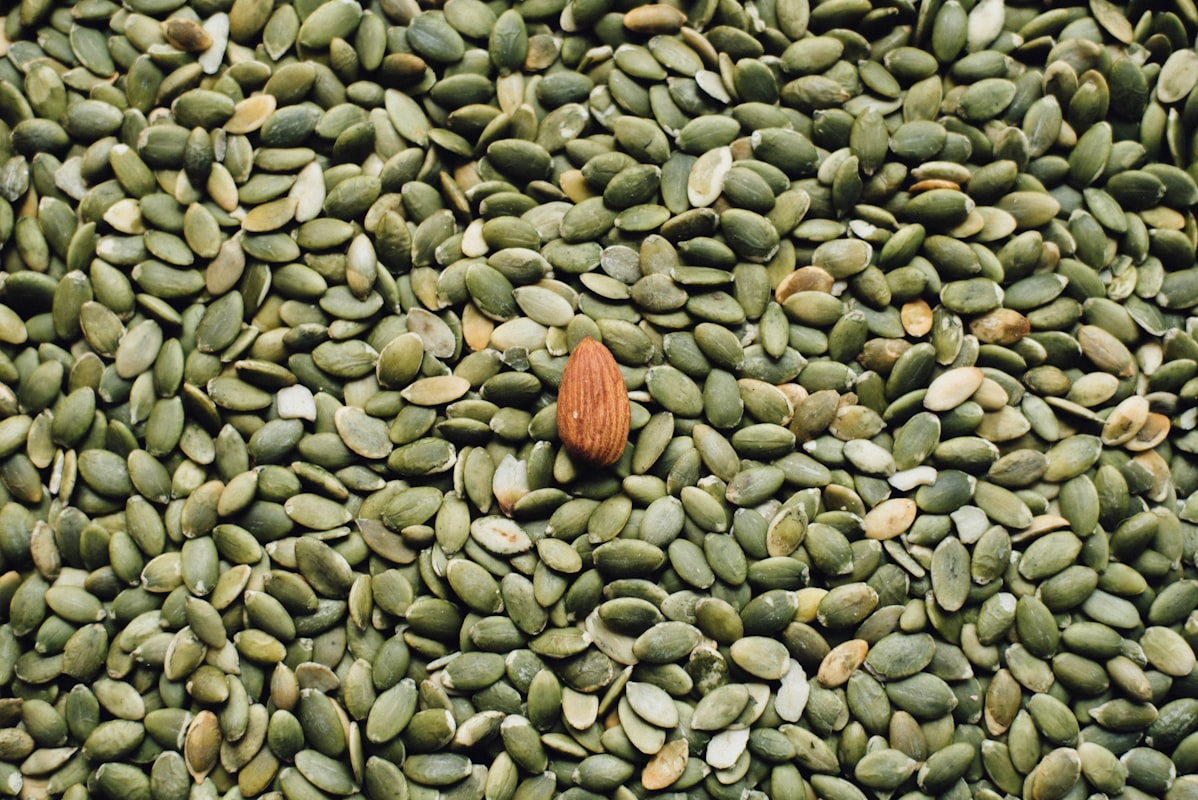
Fermented Foods
Yoghurt, kefir, sauerkraut, and kimchi nurture beneficial gut bacteria that produce neurotransmitter precursors and short-chain fatty acids.
Learn more →
Whole Grains
Oats, brown rice, and quinoa supply B vitamins, fibre, and minerals essential for energy production in nerve cells and stable mood.
Learn more →Readers' Feedback
Discover how our articles and resources have helped readers understand nutrition's impact on their wellbeing.
"I had no idea how much my daily anxiety was linked to what I was eating. After reading Calmcore's articles on magnesium and gut health, I made some simple dietary changes. The articles helped me understand the connection between diet and wellbeing, which I found very practical. The information is clear, science-backed, and actually practical."
Sarah Mitchell
Manchester, UK
"As someone managing stress at work, I appreciated the honest, no-nonsense approach. Calmcore doesn't promise miracles—they explain how foods like fatty fish and leafy greens actually work in your body. I've recommended their resources to my entire team."
James Richardson
London, UK
"The guide on the gut-brain connection was revelatory. I've struggled with low mood for years, and understanding how probiotics and fibre support mental health gave me a new perspective. It's empowering to take control through food choices rather than feeling helpless."
Emma Thompson
Edinburgh, UK
"I appreciate that Calmcore focuses on whole foods and sustainable changes rather than quick fixes. Their articles helped me understand why my morning brain fog cleared when I switched to whole-grain breakfasts with proper protein. Real, lasting change."
David Chen
Bristol, UK
Frequently Asked Questions
Common questions about nutrition and nervous system health, answered.
Most people notice initial improvements in energy and mental clarity within 2-3 weeks of consistent dietary changes. However, deeper shifts in mood stability, sleep quality, and stress resilience typically develop over 6-12 weeks as your gut microbiome adapts and nutrient stores replenish. Individual results vary based on starting point, overall lifestyle, and adherence to sustainable eating patterns.
For most people eating a varied, balanced diet with whole foods, getting key nutrients through food is achievable and preferred. However, certain situations—such as restricted diets, malabsorption issues, or specific life stages—may require additional support. Our articles discuss food-first approaches while acknowledging that individual circumstances differ. Always work with a suitably qualified professional if you have specific nutritional concerns.
Rather than one perfect diet, the key is choosing whole, minimally processed foods rich in the nutrients your nervous system depends on. Mediterranean eating patterns, whole-food approaches, and plant-forward diets all align well with nervous system health principles. What matters most is finding an eating pattern you can sustain long-term that includes nutrient-dense foods, supports stable blood sugar, and promotes a healthy gut environment.
Keep a simple food and mood journal for 2-3 weeks, noting what you eat and your energy, focus, sleep quality, and emotional state. Look for patterns—do certain foods leave you feeling calm or scattered? Does regular exercise enhance the effects? Our resources include journaling templates and observation guides to help you identify your personal diet-wellness connections. This self-awareness is more valuable than any generic advice.
We use "nervous system health" to encompass mental clarity, emotional resilience, stress responsiveness, sleep quality, and overall cognitive function. This includes both central nervous system (brain and spinal cord) and autonomic nervous system (stress/relaxation balance) support. Our content explores how food choices, nutrient status, gut health, and lifestyle factors work together to optimise these interconnected systems.
Start Your Nervous System Wellness Journey
Explore our comprehensive guides, practical articles, and evidence-based resources on nutrition for nervous system health. Discover how to nourish your mind through food.
Have questions about our content? Our editorial team welcomes your feedback and suggestions.